
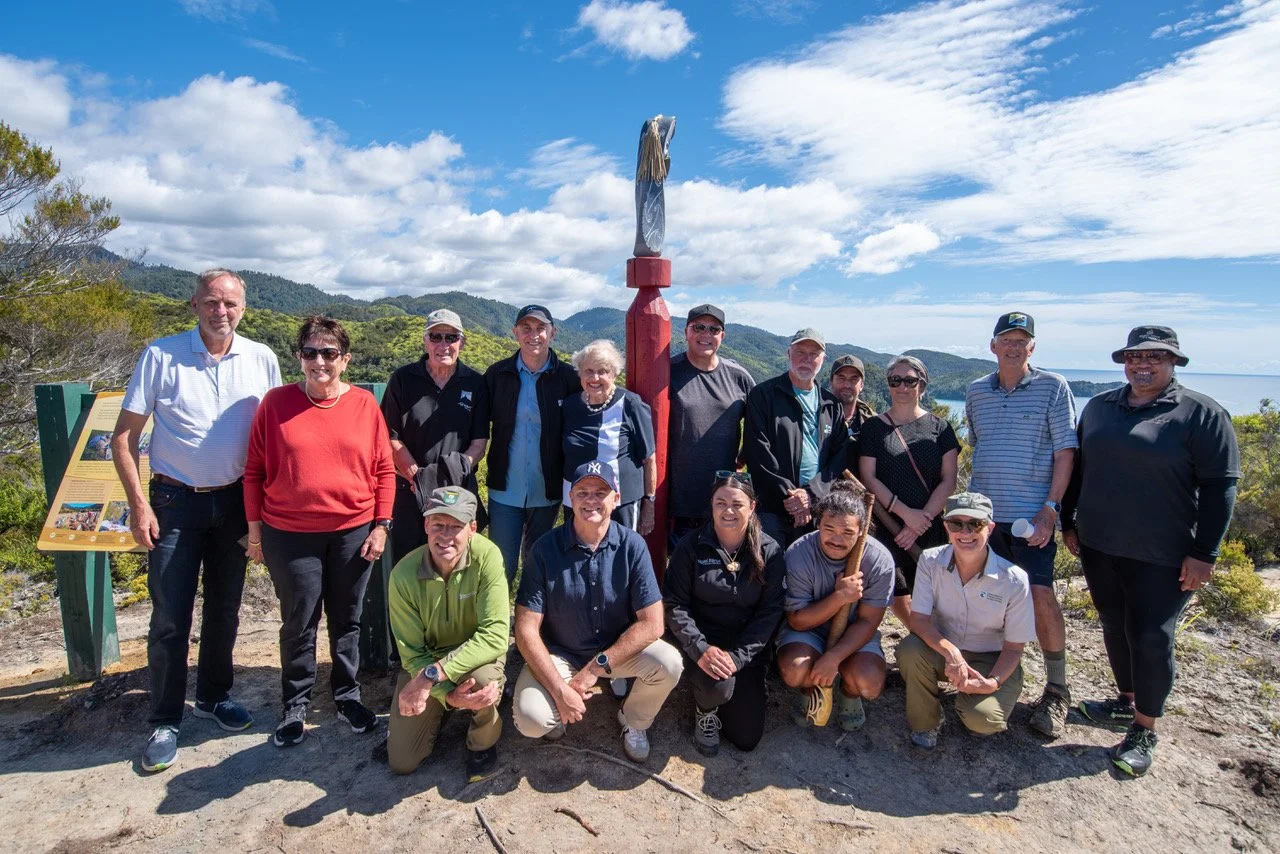
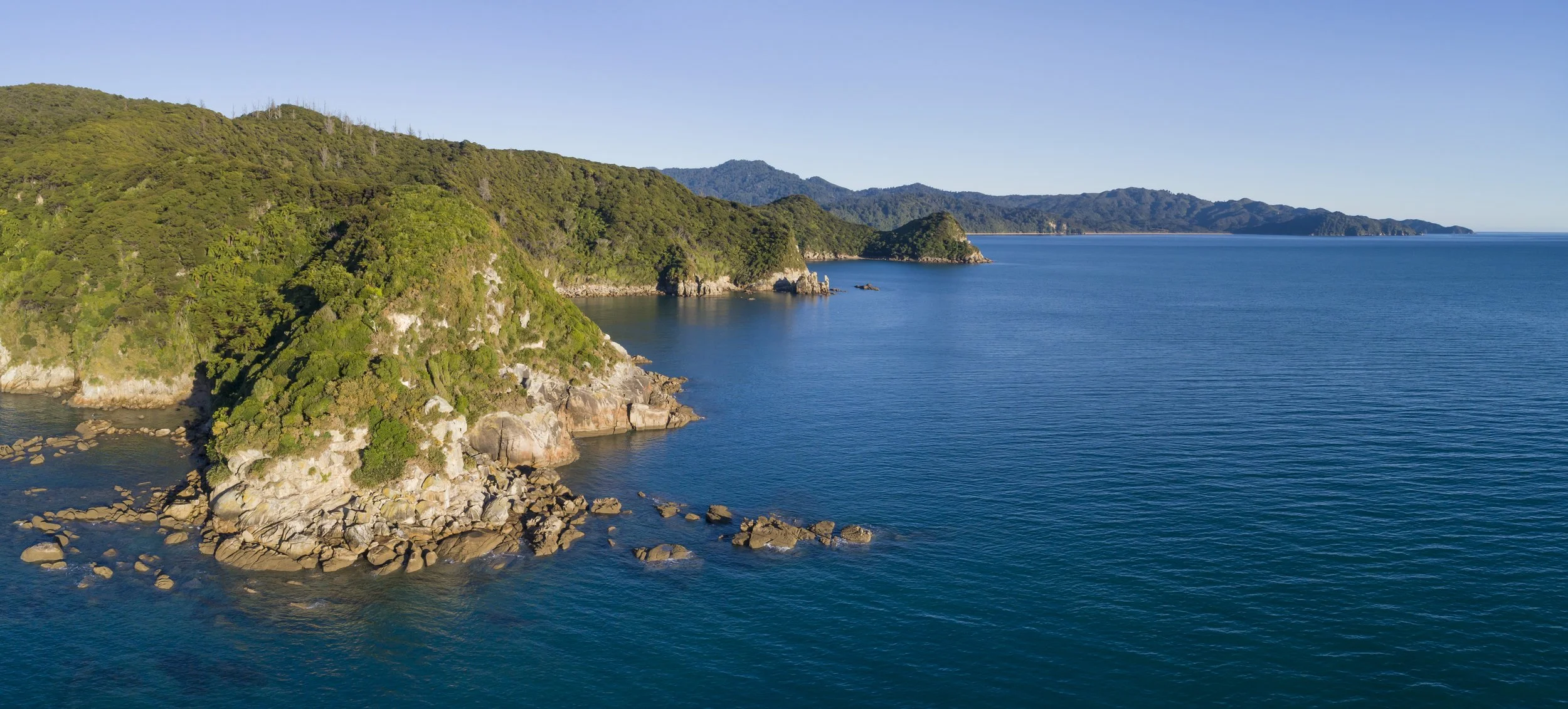
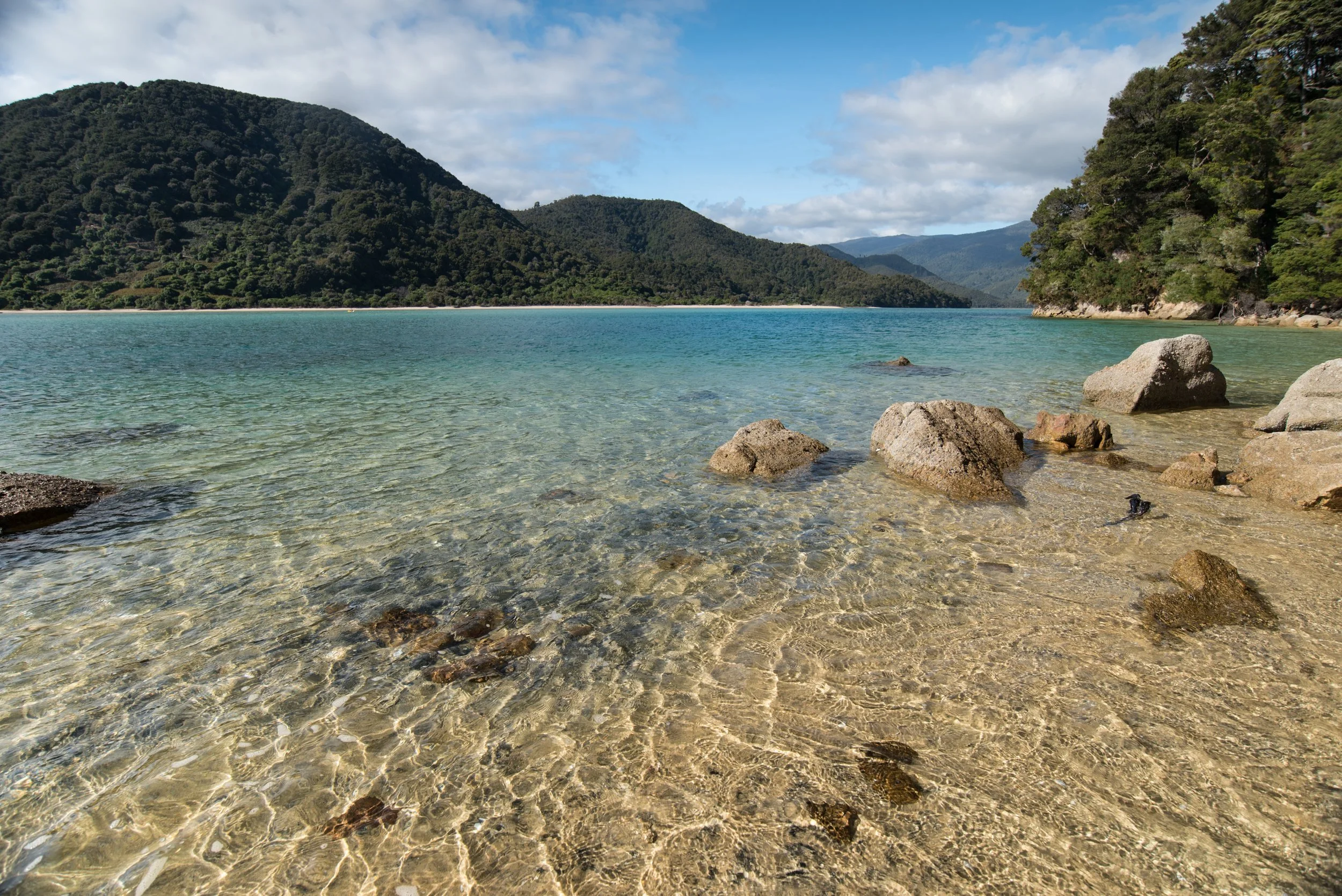
When Project Janszoon was launched in 2012, it represented something new for Aotearoa. Supported by Neal and Annette Plowman of CSP founding Partners, NEXT Foundation, it was the country's first large-scale National Park conservation partnership - bringing together philanthropy, the Department of Conservation, mana whenua, community organisations and volunteers around a shared vision for the future of Abel Tasman National Park.
Fourteen years later, that vision has reached an important milestone. In July 2026, Project Janszoon formally handed responsibility for its work to the next generation of guardians. Under the Tomorrow Accord, DOC has committed to maintaining the biodiversity gains achieved through the project, alongside iwi, local communities and the many others who now care for the park.
More than $21 million has been invested in restoring the park's natural systems. The ecological results are remarkable. Wilding conifers have been removed, thousands of predator traps installed, native ecosystems restored, and species including kākā, whio and pāteke have returned. But watching the recently released legacy video, it becomes clear that the most enduring outcome may be something less tangible.
Again and again, those involved return to the same idea: relationships
In reflecting on the project through the video, DOC speaks not only of biodiversity gains, but of an "incredible community of alignment" that grew around a shared purpose. Mana whenua describe the healing of the park's mauri alongside the strengthening of their role as kaitiaki. Volunteers talk about the privilege of being part of something larger than themselves. Schools continue to bring young people into the park through education programmes that will outlast the project itself.
As NEXT Foundation CEO Andrew Grant reflects, the philanthropic funding provided the lift. But it was the strength of the partnerships that brought the vision to life.
A role for philanthropy to build capability, demonstrate a model and then step back
From the outset, Project Janszoon was never intended to become a permanent institution. It was designed to change what was possible, build capability, demonstrate a model, and then step back once others were ready to carry it forward.
In that sense, the formal handover is not the end of the story but one of its clearest measures of success.
For those of us interested in creating lasting change, Project Janszoon offers a compelling example of what patient, collaborative philanthropy can achieve: not simply funding projects, but helping create the conditions for ecosystems - ecological, organisational and human - to thrive long after the original investment has ended.
Watch the Project Janszoon legacy video or visit the NEXT Foundation website to learn more.
Hannah Knight shares insights from a recent conversation about the Taranaki Mounga Project - an ambitious conservation and governance project that offers a living case study for strategic philanthropy in Aotearoa.